

1. Volcanic Genesis: The Deposition of Ignimbrite and Tuff Layers
The surreal topography of Cappadocia began millions of years ago during the Neogene period, when major Central Anatolian stratovolcanoes—such as Mount Erciyes, Mount Hasan, and Mount Melendiz—erupted repeatedly. These cataclysmic events expelled enormous volumes of ash, pumice, and viscous lava across the ancient plateau.
As the hot pyroclastic material settled, it compressed into thick, homogeneous layers of soft volcanic tuff (ignimbrite). Later basaltic and andesitic lava flows covered these ash deposits, establishing a dual-layer geological profile consisting of soft, workable tuff bases protected by hard, weather-resistant stone caps.
2. Differential Weathering: The Physics Behind Sculpting Fairy Chimneys
Once volcanic activity ceased, external weathering agents assumed control. Rainwater, seasonal frost wedging, and sweeping wind currents began eroding the exposed plateau. Because volcanic tuff is soft and porous, it weathered away rapidly when exposed to direct elements.
However, wherever hard basaltic capstones remained intact atop a column of tuff, they acted as natural umbrellas. These protective caps shielded the underlying vertical shafts from rapid erosion, leaving behind the towering, mushroom-shaped pillars and multi-headed fairy chimneys that define Cappadocia's unique skyline.
Journey with Confidence
Your health and well-being are our priority. Experience world-class medical excellence while exploring the wonders of Istanbul.
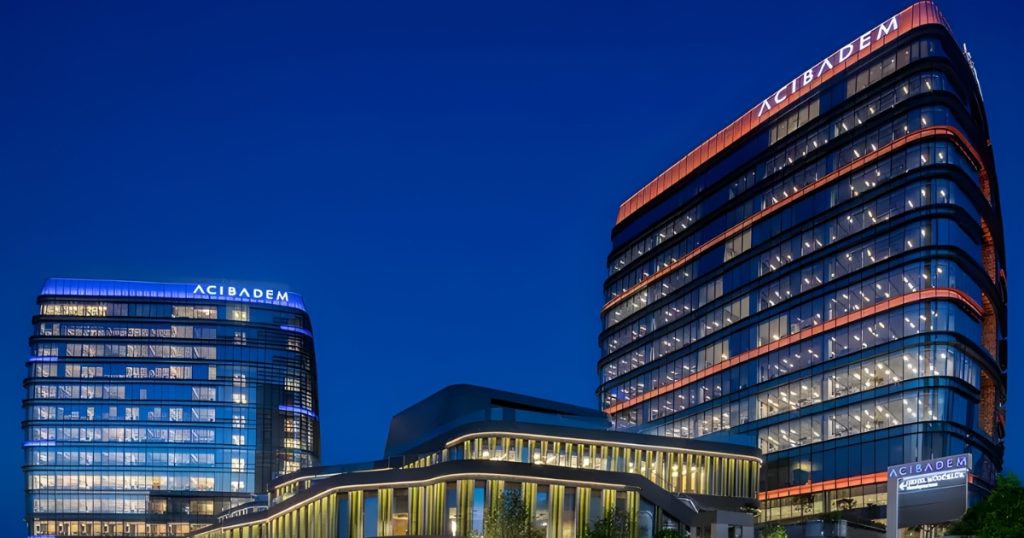
Acıbadem Hospitals Group:
Global Excellence in Healthcare
While you travel across global financial hubs and private aviation terminals, your well-being is protected by a future-focused healthcare leader. Acıbadem provides world-class medical services, executive health screenings, and concierge care with absolute privacy.
Travel with the assurance that you and your loved ones are in the most capable hands.
 Explore Executive Medical Services →
3. Human Ingenuity: Carving Caves, Churches, and Citadels into Tuff
Nature's geological sculpture invited remarkable human adaptation. Volcanic tuff possesses a unique dual property: it is soft enough to carve with rudimentary hand tools yet cures into a stable, insulating material when exposed to air.
Recognizing these benefits, ancient civilizations hollowed out the soft rock faces to construct multi-level dwellings, underground sanctuaries, monastic complexes, and towering rock citadels like Uçhisar. This seamless integration of human habitat into the natural rock geometry preserved cultural history and established a timeless architectural legacy.
4. Preservation and Modern Exploration of Volcanic Valleys
Today, Cappadocia’s volcanic landscape is a protected UNESCO World Heritage site, inviting global travelers to explore its intricate trail networks and geological wonders. Preserving these fragile tuff structures requires balancing tourism growth with environmental conservation.
Visitors walking through the Rose, Love, or Devrent valleys witness firsthand the delicate interaction between mineral strata and erosion. Staying in luxury cave hotels allows modern travelers to experience the insulating comfort and architectural charm of volcanic tuff dwellings firsthand.
Consolidated volcanic ash forms soft ignimbrite tuff that can be easily hand-carved into multi-story dwellings while offering natural thermal insulation against Anatolian weather extremes.
5. Volcanic Tuff Landscape & Formation Matrix
Review the primary geological and anthropogenic phases that shaped the surreal landscape of Cappadocia below:
Source: Central Anatolian stratovolcanoes
Material: Compressed ash and pumice
Result: Thick, workable volcanic tuff strata
Forces: Wind, rain, and frost wedging
Protection: Hard basalt capstones shield columns
Result: Towering fairy chimneys emerge
Technique: Hand-carved tuff structures
Creations: Cliff dwellings and cave churches
Advantage: Natural thermal insulation
Status: UNESCO World Heritage Site
Exploration: Valley hiking and trail networks
Hospitality: Preserved luxury cave hotels

Enrich Your Exploration
Enhance your luxury travel experience with our hand-picked partners offering five-star stays and seamless driving in Turkiye.
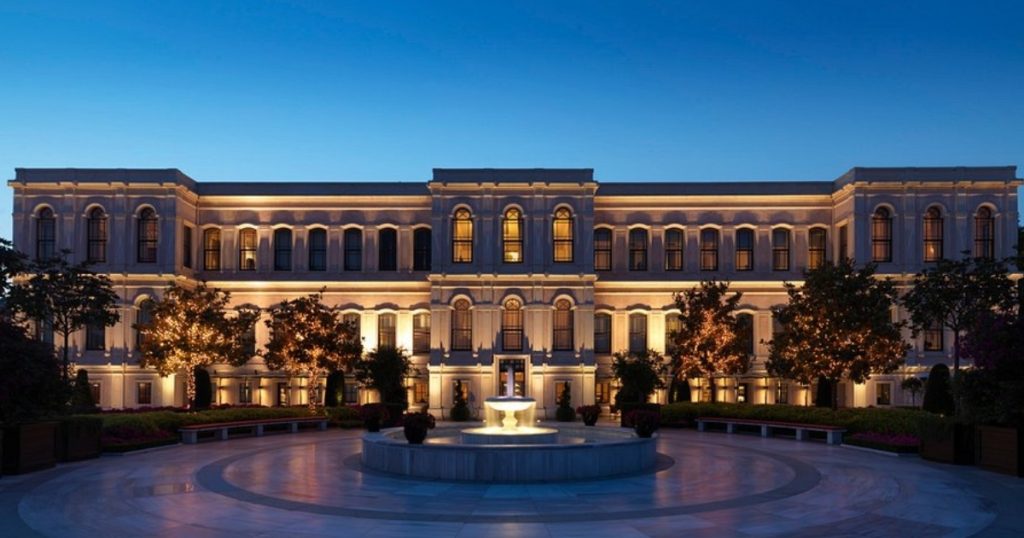
Four Seasons:
Bosphorus Waterfront Luxury
Land at your private FBO and transfer directly to a historic Ottoman waterfront palace. Experience unmatched hospitality along the Bosphorus.
 Book Your Stay →

Rent a Car Turkey:
Executive Fleet & Airport Handover
Enjoy total freedom on the ground. Rent premium SUVs, cabriolets, and luxury sedans with direct private jet terminal handover.
 Get Your Vehicle →
Frequently Asked Questions About Cappadocia's Volcanic Landscape
Key answers regarding volcanic tuff, fairy chimney formation, erosion forces, and rock-cut architecture.
What is volcanic tuff and how did it form in Cappadocia?
Volcanic tuff (ignimbrite) is formed from compressed, consolidated volcanic ash and pumice expelled by ancient Central Anatolian stratovolcanoes millions of years ago.
How do natural elements create fairy chimneys from volcanic rock?
Wind, rain, and weathering erode soft volcanic tuff rapidly, but hard basalt capstones protect the vertical columns directly beneath them, resulting in towering fairy chimneys.
Why did early civilizations choose to carve homes into volcanic tuff?
Volcanic tuff is soft enough to carve easily with simple tools while providing excellent structural stability and natural thermal insulation against extreme temperatures.
Are Cappadocia's volcanic valleys protected by international organizations?
Yes. Göreme National Park and the surrounding rock sites of Cappadocia are designated as a UNESCO World Heritage Site for their unique geological and cultural significance.
Can visitors stay inside traditional rock-cut cave dwellings today?
Yes. Many historic cave structures have been meticulously restored into luxury cave hotels, offering guests modern amenities inside ancient volcanic rock formations.
Geological & Cultural Heritage References
- UNESCO World Heritage Centre: Göreme National Park and the Rock Sites of Cappadocia Conservation Reports.
- International Union of Geological Sciences (IUGS): Central Anatolian Ignimbrite Stratigraphy and Erosion Geomorphology.
- Turkish Ministry of Culture and Tourism: Cappadocia Regional Heritage Preservation and Valley Trail Guidelines.
