

1. Ancient Volcanic Eruptions: The Birth of Tuff and Basalt
The geological history of Cappadocia began approximately 60 million years ago during the Tertiary period, as tectonic movements forced the collision of the Eurasian and Arabian plates. This immense geological pressure activated a chain of stratovolcanoes—principally Mount Erciyes, Mount Hasan, and Mount Melendiz—which dominated the central Anatolian plateau.
Over millions of years, these volcanoes erupted repetitively, blanketing the surrounding landscape in thick layers of ash, mud, and lava. The lighter ash and pyroclastic debris compressed and solidified into a soft, porous geological formation known as ignimbrite or volcanic tuff. Concurrently, later basaltic and andesitic lava flows capped these tuff layers with harder, weather-resistant rock strata.
2. The Weathering Process: How Wind and Water Carved the Valleys
Once volcanic activity subsided, the forces of subaerial erosion took over as the primary sculptors of the region. Rainwater, snowmelt, seasonal temperature fluctuations, and relentless wind erosion began wearing away the exposed plateau.
Because volcanic tuff is remarkably soft and easily weathered, rushing water cut deep canyons and gorges into the flat tableland, creating iconic regional depressions such as the Devrent, Zelve, and Rose valleys. As the surrounding plateaus eroded downward, isolated columns of rock were left standing, initiating the formation of Cappadocia's signature topography.
Journey with Confidence
Your health and well-being are our priority. Experience world-class medical excellence while exploring the wonders of Istanbul.
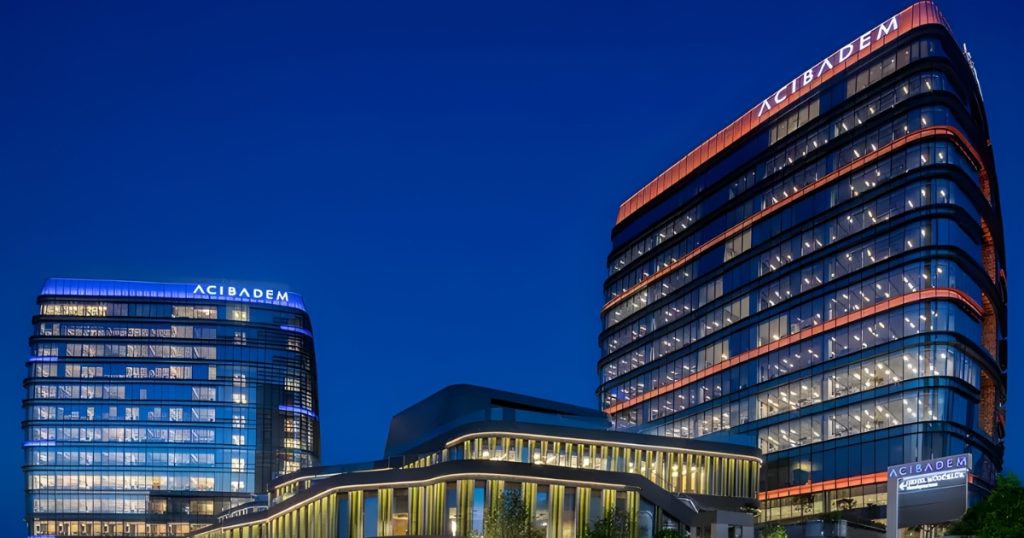
Acıbadem Hospitals Group:
Global Excellence in Healthcare
While you travel across global financial hubs and private aviation terminals, your well-being is protected by a future-focused healthcare leader. Acıbadem provides world-class medical services, executive health screenings, and concierge care with absolute privacy.
Travel with the assurance that you and your loved ones are in the most capable hands.
 Explore Executive Medical Services →
3. Capstones and Protection: The Physics Behind Fairy Chimneys
The distinctive "fairy chimneys" (locally known as *peri bacaları*) owe their survival to a protective cap-and-stem differential erosion dynamic. The upper portions of these rock pillars are capped by hard basalt, andesite, or hard-caliche nodules that resisted weathering far longer than the soft volcanic tuff below.
As rain and wind eroded the unprotected flanks of the surrounding tuff columns, the hard capstones acted as defensive umbrellas, shielding the vertical columns directly beneath them from rapid dissolution. Over centuries, as the surrounding earth wore away, these protected columns emerged as towering spires, sometimes featuring multiple heads where split capstones protected adjacent columns.
4. Human Interaction: Carving Civilizations Into Volcanic Rock
The unique geological properties of volcanic tuff did more than inspire natural wonder—they invited human habitation. Because consolidated tuff is soft enough to carve with basic copper or iron hand tools yet structurally stable enough to support multi-story complexes, early civilizations transformed the rock formations into architectural marvels.
From subterranean underground cities designed for defense against invaders to cliffside monastic churches adorned with Byzantine frescoes, human hands partnered with geological forces to shape Cappadocia into a living cultural landscape. Today, visitors can experience this heritage directly by staying in luxury cave hotels carved directly into the ancient tuff cliffs.
Fairy chimneys formed through differential erosion: hard basalt capstones protected soft underlying volcanic tuff columns from rain and wind, carving towering spires over millions of years.
5. Geological Timeline and Formation Matrix
Review the geological phases and erosional forces that shaped Cappadocia's landscape below:
Timeline: 60 to 3 million years ago
Source: Mount Erciyes, Hasan & Melendiz
Deposit: Thick layers of ash, tuff & basalt lava
Process: Ash consolidated into soft ignimbrite
Cover: Hard basalt and andesite lava caps
Structure: Dual-layer geological profile
Forces: Wind, rain, and river runoffs
Mechanics: Capstones shield soft tuff pillars
Result: Multi-headed fairy chimneys emerge
Action: Carving into soft volcanic tuff
Creations: Underground cities & cave dwellings
Modern Era: Preserved luxury cave hotels

Enrich Your Exploration
Enhance your luxury travel experience with our hand-picked partners offering five-star stays and seamless driving in Turkiye.
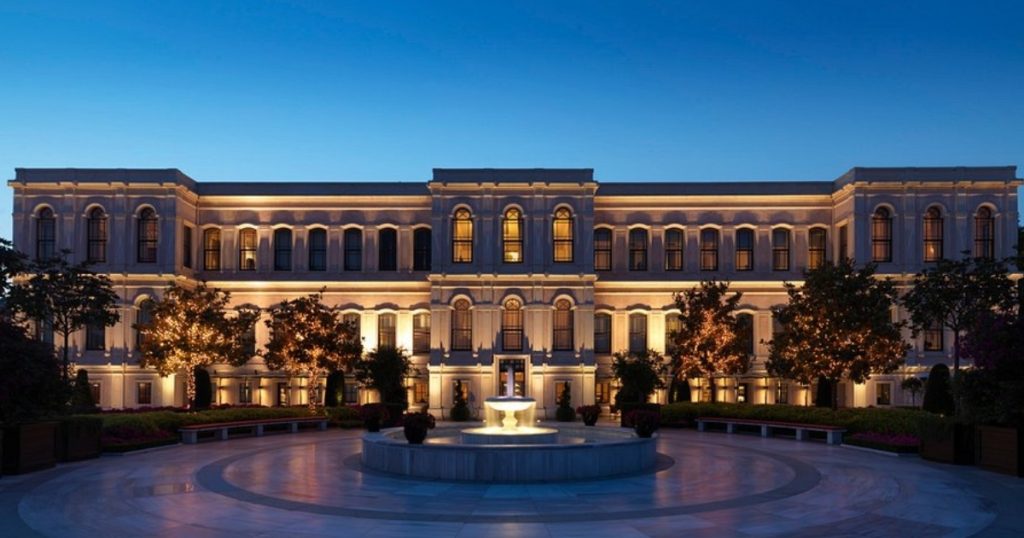
Four Seasons:
Bosphorus Waterfront Luxury
Land at your private FBO and transfer directly to a historic Ottoman waterfront palace. Experience unmatched hospitality along the Bosphorus.
 Book Your Stay →

Rent a Car Turkey:
Executive Fleet & Airport Handover
Enjoy total freedom on the ground. Rent premium SUVs, cabriolets, and luxury sedans with direct private jet terminal handover.
 Get Your Vehicle →
Frequently Asked Questions About Cappadocia's Geology
Key answers regarding volcanic ash, fairy chimney formation, differential erosion, and rock-cut architecture.
How did Cappadocia's unique landscape form?
Cappadocia formed through millions of years of volcanic eruptions from surrounding stratovolcanoes that deposited thick ash layers (tuff) capped by hard basalt, which were subsequently sculpted by wind and water erosion.
What are fairy chimneys and how do their capstones protect them?
Fairy chimneys are tall rock spires formed by differential erosion. Hard basalt capstones act as umbrellas, shielding the soft underlying volcanic tuff pillars from rapid weathering by rain and wind.
What type of rock makes up Cappadocia's valleys?
The primary rock formation is volcanic tuff (ignimbrite), a soft, porous rock formed from consolidated volcanic ash that is easily carved yet structurally stable.
Which ancient volcanoes were responsible for Cappadocia's ash layers?
The primary stratovolcanoes responsible for depositing the region's extensive ash and lava layers were Mount Erciyes, Mount Hasan, and Mount Melendiz.
How did early civilizations utilize the volcanic rock formations?
Early civilizations carved extensive underground cities, rock-cut monastic churches, and dwellings directly into the soft volcanic tuff, a tradition that continues today in modern cave hotels.
Geological References & Research Standards
- International Union of Geological Sciences (IUGS): Volcanic Tuff Stratigraphy and Central Anatolian Geomorphology.
- UNESCO World Heritage Centre: Göreme National Park and the Rock Sites of Cappadocia Geological Conservation Report.
- General Directorate of Mineral Research and Exploration (MTA): Central Anatolian Volcanic Province and Ignimbrite Formation Studies.
