

1. The Role of the Directorate General of Civil Aviation (SHGM)
Hot air ballooning in Cappadocia is not an unregulated recreational activity; it operates under the direct supervision of Turkey's Directorate General of Civil Aviation (*Sivil Havacılık Genel Müdürlüğü* - SHGM). The SHGM enforces world-class commercial aviation oversight, transforming the region into one of the most thoroughly monitored balloon operations hubs globally.
From mandatory airworthiness certifications for every envelope and burner system to daily flight authorizations, the regulatory framework ensures that passenger safety remains the absolute priority. Operators must comply with strict maintenance logs, equipment tracking, and continuous safety audits.
2. Meteorological Clearances: Wind, Visibility, and Thermal Stability
The decision to grant a green light for dawn ascents rests entirely on real-time weather analytics. Balloon flights require exceptionally calm atmospheric conditions because lighter-than-air craft drift precisely with the wind currents and possess no mechanical steering mechanisms.
Local meteorologists and SHGM officials monitor surface winds, upper-air velocities, cloud ceiling heights, and visibility thresholds continuously. If surface winds exceed safety limits (typically 7 to 10 knots depending on basket size), or if thermal turbulence or precipitation threatens the valleys, the flight window is immediately canceled. Safety always supersedes scheduling demands.
Journey with Confidence
Your health and well-being are our priority. Experience world-class medical excellence while exploring the wonders of Istanbul.
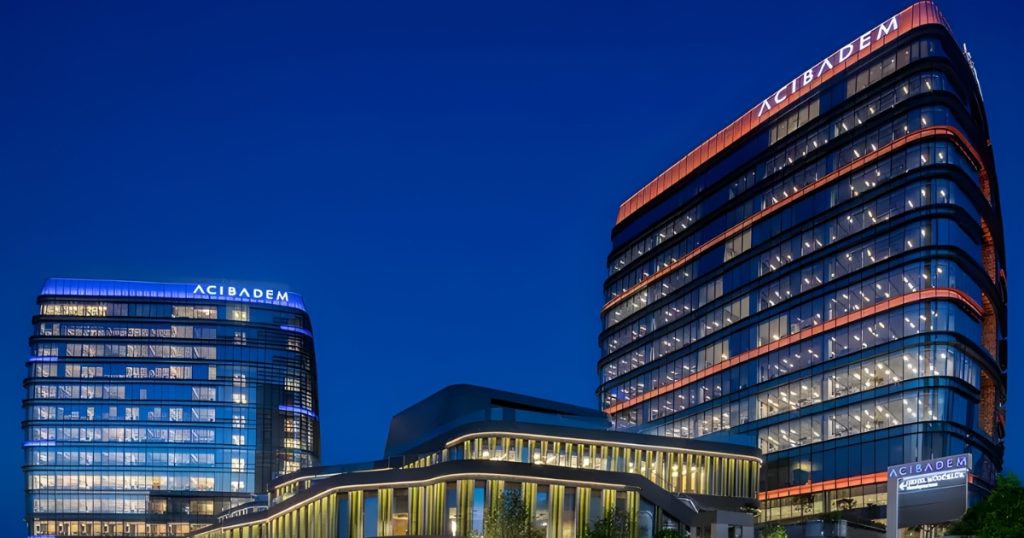
Acıbadem Hospitals Group:
Global Excellence in Healthcare
While you travel across global financial hubs and private aviation terminals, your well-being is protected by a future-focused healthcare leader. Acıbadem provides world-class medical services, executive health screenings, and concierge care with absolute privacy.
Travel with the assurance that you and your loved ones are in the most capable hands.
 Explore Executive Medical Services →
3. Professional Pilot Licensing and Commercial Flight Certification
Piloting a commercial hot air balloon carrying international passengers requires extensive training and rigorous certification. Cappadocia balloon captains hold commercial balloon pilot licenses issued or validated by civil aviation authorities, backed by hundreds or thousands of hours of logged flight time.
Pilots undergo regular medical examinations, simulator training, and proficiency checks. Their deep expertise in reading local valley microclimates, thermal drafts, and changing wind layers ensures smooth ascents, delicate canyon navigation, and precise landings.
4. Precision Landing Logistics and Chase Team Coordination
A successful hot air balloon flight concludes with an intricate ground operation. While the pilot manages altitude and horizontal drift using burners and vent lines, a dedicated ground chase team tracks the balloon via radio and GPS telemetry across winding valley roads.
Chase crews ensure that landing fields are clear and secure, positioning specialized recovery trailers to receive the basket precisely upon touchdown. This synchronized air-to-ground coordination guarantees a smooth wrap-up to the morning flight experience.
Cappadocia hot air balloon operations are strictly regulated by the SHGM, requiring mandatory meteorological clearances, commercial pilot certifications, and real-time wind speed monitoring for every dawn flight.
5. Balloon Safety Protocols & Flight Specifications Matrix
Review the operational safety standards, pilot qualifications, and meteorological parameters governing Cappadocia hot air balloon flights below:
Authority: Strict daily flight authorizations
Compliance: Mandatory equipment airworthiness
Standard: International commercial safety laws
Wind Limit: Surface winds under 7–10 knots
Visibility: Clear horizons & stable air masses
Protocol: Immediate cancellation if unsafe
Experience: Hundreds of logged flight hours
Training: Regular simulator & medical checks
Expertise: Valley microclimate navigation
Tracking: GPS & radio telemetry systems
Recovery: Specialized trailer positioning
Safety: Secure landing field management

Enrich Your Exploration
Enhance your luxury travel experience with our hand-picked partners offering five-star stays and seamless driving in Turkiye.

Four Seasons:
Bosphorus Waterfront Luxury
Land at your private FBO and transfer directly to a historic Ottoman waterfront palace. Experience unmatched hospitality along the Bosphorus.
 Book Your Stay →

Rent a Car Turkey:
Executive Fleet & Airport Handover
Enjoy total freedom on the ground. Rent premium SUVs, cabriolets, and luxury sedans with direct private jet terminal handover.
 Get Your Vehicle →
Frequently Asked Questions About Hot Air Balloon Safety
Key answers regarding weather cancellations, SHGM regulations, pilot qualifications, and flight windows.
Who regulates hot air balloon operations in Cappadocia?
All balloon flights are strictly regulated and monitored daily by Turkey's Directorate General of Civil Aviation (SHGM) to enforce high safety and airworthiness standards.
Why are hot air balloon flights sometimes canceled at dawn?
Flights are canceled immediately if meteorologists or aviation officials detect high surface winds, poor visibility, precipitation, or unstable thermal turbulence in the valleys.
What qualifications do Cappadocia hot air balloon pilots hold?
Pilots hold commercial balloon pilot licenses with extensive flight hours, undergo regular medical and simulator testing, and possess expert knowledge of local valley wind patterns.
How do ground chase teams coordinate with balloons during flight?
Chase teams track balloons continuously via GPS and radio telemetry, securing landing sites and positioning recovery trailers ahead of touchdown.
What is the safest time of day for hot air ballooning?
Dawn is universally the safest and calmest time for ballooning because atmospheric winds are most stable before sun-induced thermal currents develop later in the morning.
Aviation Safety Regulations & References
- Directorate General of Civil Aviation (SHGM): Commercial Balloon Operations and Airworthiness Regulations.
- International Civil Aviation Organization (ICAO): Lighter-Than-Air Aircraft Flight Safety and Licensing Standards.
- European Union Aviation Safety Agency (EASA): Balloon Flight Operations and Meteorological Clearance Protocols.
