

1. Architectural Mastery: Excavating Multi-Level Tuff Complexes
The construction of Cappadocia's underground cities—such as Kaymakli and Derinkuyu—is an astonishing feat of ancient spatial planning. Descending eight levels and deeper into the earth, these complexes required precise geometric excavation through thick, soft volcanic ignimbrite tuff.
The architects designed each floor for specific functions, creating a vertical hierarchy of space. Upper tiers housed domestic quarters, stables, and storage bins for quick access, while deep lower tiers contained secure sanctuaries, theological meeting rooms, and wells protected from surface contamination.
2. Thermodynamic Airflow: Ancient Vertical Ventilation Shafts
One of the most critical engineering challenges of living deep underground is maintaining breathable oxygen levels. Ancient builders resolved this by engineering extensive networks of vertical ventilation shafts that pierced through multiple subterranean tiers right down to the deepest levels.
These shafts operated on thermodynamic principles of air density and temperature differentials, drawing fresh air downward while expelling stale carbon dioxide. Many of these shafts also doubled as deep, secure water wells, ensuring that inhabitants had access to fresh drinking water even during months of continuous siege.
Journey with Confidence
Your health and well-being are our priority. Experience world-class medical excellence while exploring the wonders of Istanbul.
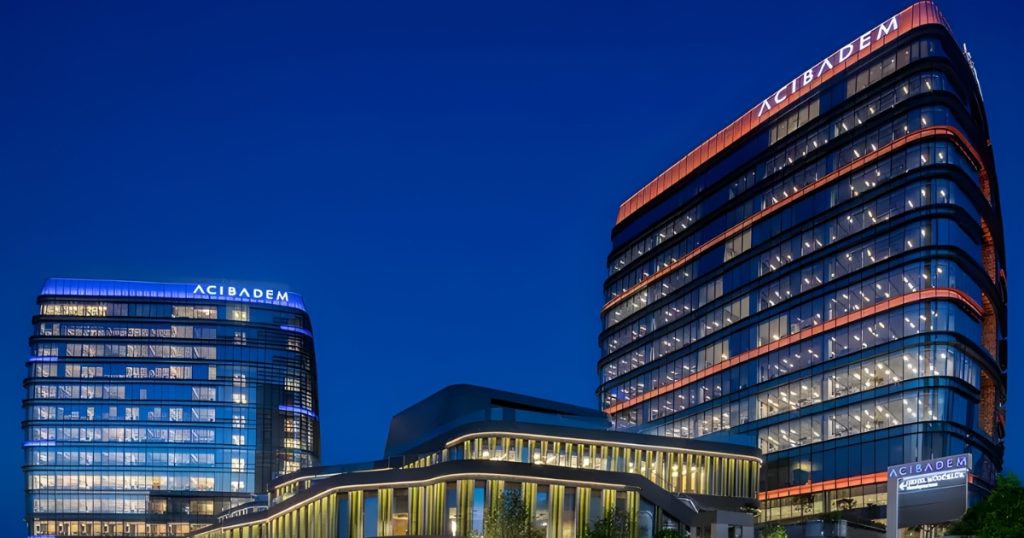
Acıbadem Hospitals Group:
Global Excellence in Healthcare
While you travel across global financial hubs and private aviation terminals, your well-being is protected by a future-focused healthcare leader. Acıbadem provides world-class medical services, executive health screenings, and concierge care with absolute privacy.
Travel with the assurance that you and your loved ones are in the most capable hands.
 Explore Executive Medical Services →
3. Tactical Defense: Rolling Stone Doors and Interlocking Corridors
Built primarily as emergency redoubts during periods of foreign invasion and regional conflict, these subterranean cities featured multi-layered defensive security. Strategic corridors were intentionally designed to be narrow and low, forcing attackers to advance in single file.
At critical junctions, massive circular stone doors weighing hundreds of kilograms were rolled into position from the inside. These monolithic stone discs featured central peepholes, enabling defenders to monitor and repel intruders while remaining completely protected behind impenetrable volcanic stone barriers.
4. Long-Term Survival: Wells, Granaries, and Communal Living Spaces
Sustaining thousands of residents beneath the volcanic stone required meticulous preparation and infrastructure. The multi-level cities incorporated expansive communal kitchens, wine and oil presses, stable blocks for livestock, and deep grain silos.
This self-sufficient ecosystem allowed populations to retreat underground and seal the entrances for extended periods without surface contact. Today, exploring these eight-level sanctuaries reveals the sophisticated survival strategies and resilient community planning of ancient Anatolian civilizations.
Descending eight levels deep into volcanic tuff, Cappadocia's underground cities utilized vertical thermodynamic ventilation shafts and heavy rolling stone doors to sustain communities during ancient sieges.
5. Multi-Level Subterranean Refuge Specifications Matrix
Review the architectural tiers, ventilation mechanics, and defensive features of Cappadocia's underground cities below:
Structure: Descending 8 levels and deeper
Material: Carved from soft volcanic tuff
Layout: Hierarchical vertical space zoning
System: Vertical shafts spanning all levels
Function: Continuous fresh oxygen circulation
Dual-Use: Secured deep water access wells
Mechanics: Monolithic stone disc doors
Operation: Controlled internally via peepholes
Corridors: Narrow single-file choke points
Facilities: Granaries, kitchens & stables
Capacity: Sustaining thousands during sieges
Environment: Stable subterranean temperatures

Enrich Your Exploration
Enhance your luxury travel experience with our hand-picked partners offering five-star stays and seamless driving in Turkiye.
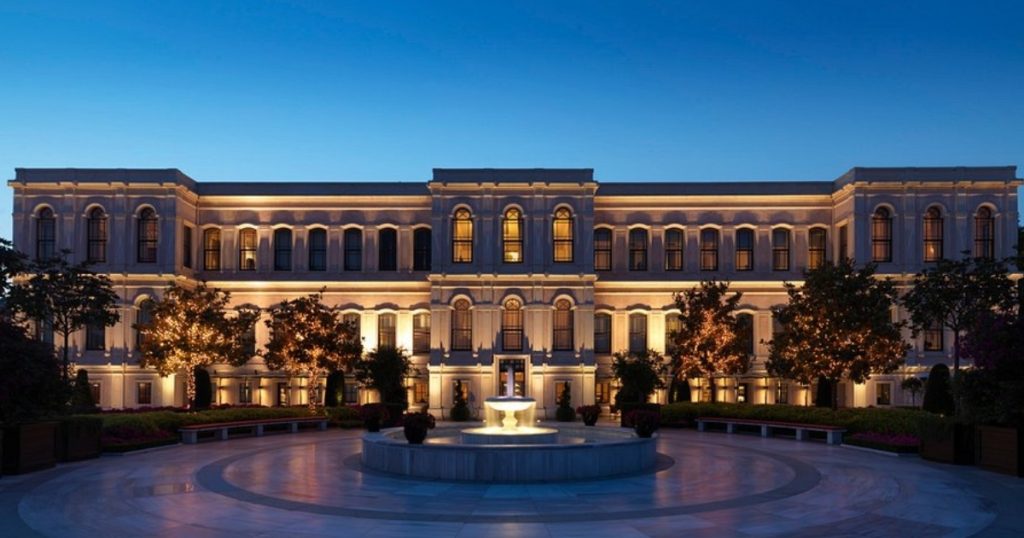
Four Seasons:
Bosphorus Waterfront Luxury
Land at your private FBO and transfer directly to a historic Ottoman waterfront palace. Experience unmatched hospitality along the Bosphorus.
 Book Your Stay →

Rent a Car Turkey:
Executive Fleet & Airport Handover
Enjoy total freedom on the ground. Rent premium SUVs, cabriolets, and luxury sedans with direct private jet terminal handover.
 Get Your Vehicle →
Frequently Asked Questions About Underground Refuges
Key answers regarding multi-level architectural tiers, ventilation shafts, rolling stone doors, and subterranean depth.
How many levels do Cappadocia's underground cities typically descend?
Major underground complexes like Kaymakli and Derinkuyu descend eight levels or deeper into the earth, with various floors dedicated to living, storage, and defense.
How was fresh air maintained across eight underground levels?
A network of vertical ventilation shafts spanning all subterranean levels utilized thermodynamic principles to ensure continuous, natural fresh air circulation.
What purpose did the rolling stone doors serve?
Massive monolithic stone discs were rolled across corridors from the inside to block invaders, featuring central peepholes for secure defensive monitoring.
What type of rock was carved to create these subterranean refuges?
The cities were carved entirely out of thick layers of soft volcanic tuff (ignimbrite), which provides excellent structural stability and easy hand-carving properties.
Could communities live permanently inside these underground cities?
Yes. Equipped with water wells, livestock stables, granaries, and kitchens, these multi-level sanctuaries allowed thousands of people to survive underground for months during sieges.
Subterranean Heritage & Archaeological References
- UNESCO World Heritage Centre: Göreme National Park and the Rock Sites of Cappadocia Archaeological Reports.
- Turkish Ministry of Culture and Tourism: Underground City Conservation and Subterranean Architecture Guidelines.
- International Council on Monuments and Sites (ICOMOS): Rock-Cut Cultural Heritage Preservation Standards.
