

1. The Architectural Layout: Descending Multi-Level Tuff Complexes
Derinkuyu’s subterranean city is an architectural marvel spanning multiple underground stories. While hundreds of subterranean settlements exist across Cappadocia, Derinkuyu is the deepest excavated city, plunging down across up to eighteen distinct subterranean levels, of which several are accessible to visitors today.
The city was carved entirely using primitive hand tools into thick, consolidated volcanic tuff. This unique geological material hardens upon exposure to air while remaining soft enough during excavation to shape intricate multi-room residential chambers, staircases, escape tunnels, storage cellars, and communal gathering halls.
2. Atmospheric Dynamics: Multi-Level Vertical Ventilation Shafts
Sustaining human life deep underground requires exceptional atmospheric management. Ancient engineers solved this challenge by integrating more than fifty vertical ventilation shafts throughout the complex, some plunging over 80 meters straight down to the lower levels.
These shafts functioned on thermodynamic principles, circulating fresh outdoor air naturally throughout the labyrinth without mechanical assistance. They also doubled as deep water wells, securing a reliable supply of fresh groundwater independent of surface conditions while protecting the inhabitants from poisoned water sources during a siege.
Journey with Confidence
Your health and well-being are our priority. Experience world-class medical excellence while exploring the wonders of Istanbul.
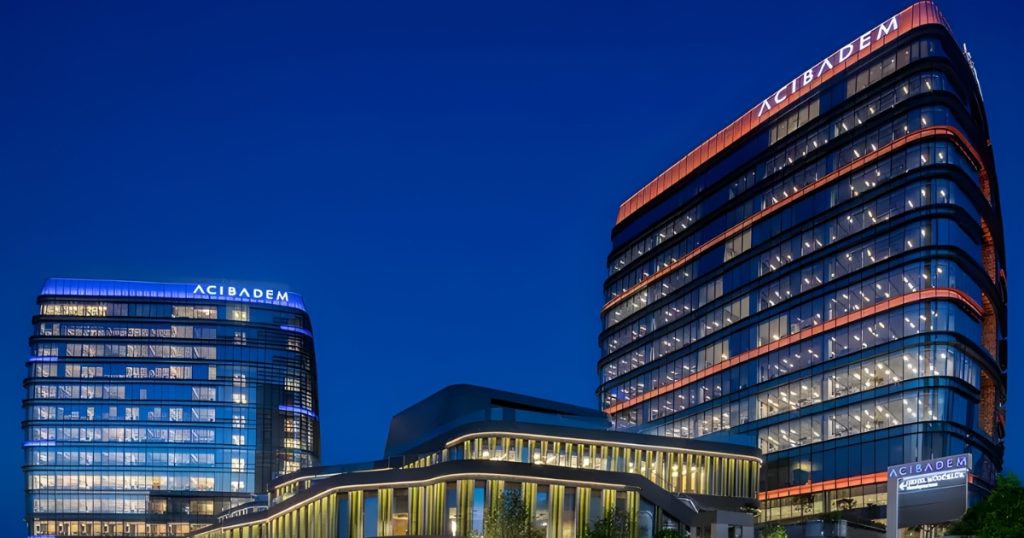
Acıbadem Hospitals Group:
Global Excellence in Healthcare
While you travel across global financial hubs and private aviation terminals, your well-being is protected by a future-focused healthcare leader. Acıbadem provides world-class medical services, executive health screenings, and concierge care with absolute privacy.
Travel with the assurance that you and your loved ones are in the most capable hands.
 Explore Executive Medical Services →
3. Defensive Mechanics: Heavy Stone Doors and Interlocking Security
Derinkuyu was built primarily as a massive, secure refuge during times of foreign invasion, religious persecution, and regional warfare. To safeguard its inhabitants, the complex featured sophisticated defensive mechanisms that isolated individual levels instantly.
Massive circular stone doors—weighing between 200 and 500 kilograms—were rolled into place across strategic corridor intersections from the inside. These stone discs featured a central peephole and could only be manipulated from within, creating an impenetrable barrier against hostile invaders while allowing defenders to monitor corridors.
4. Self-Sustenance: Ancient Wine Presses, Stables, and Granaries
Surviving prolonged sieges underground required total self-sufficiency. Derinkuyu was equipped with specialized agricultural and industrial chambers that enabled communities to live beneath the surface for months at a time.
The upper levels housed livestock stables to keep animals warm and secure, while deeper levels featured expansive wine and oil presses, communal kitchens with soot-free ventilation hearths, food storage silos, and even a barrel-vaulted ceiling theological school on the middle levels.
Plunging 85 meters deep with over 50 vertical ventilation shafts, Derinkuyu utilized natural thermodynamic air currents and heavy rolling stone doors to sustain thousands of people during ancient sieges.
5. Derinkuyu Underground Engineering Specifications Matrix
Review the architectural, defensive, and life-support systems engineered into Derinkuyu below:
Max Depth: Approximately 85 meters below ground
Levels: Up to 18 excavated underground floors
Capacity: Housing thousands of people & livestock
Shafts: Over 50 vertical air channels
Mechanics: Thermodynamic natural airflow
Dual Purpose: Doubled as secure deep water wells
Weight: 200 to 500 kg monolithic stone discs
Operation: Controlled exclusively from within
Design: Central peephole for corridor defense
Facilities: Wine presses, stables & granaries
Material: Carved entirely from soft volcanic tuff
Purpose: Sustaining long-term underground sieges

Enrich Your Exploration
Enhance your luxury travel experience with our hand-picked partners offering five-star stays and seamless driving in Turkiye.
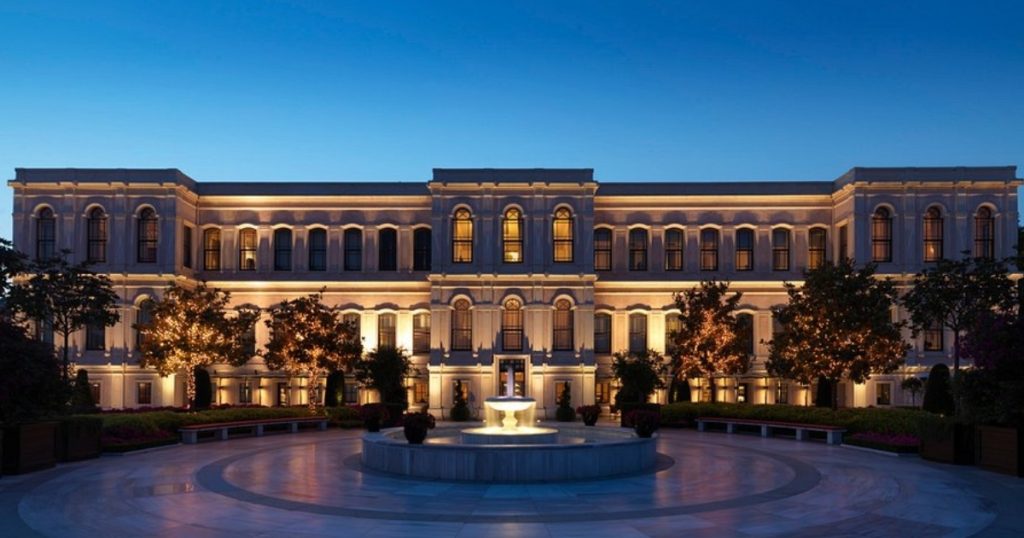
Four Seasons:
Bosphorus Waterfront Luxury
Land at your private FBO and transfer directly to a historic Ottoman waterfront palace. Experience unmatched hospitality along the Bosphorus.
 Book Your Stay →

Rent a Car Turkey:
Executive Fleet & Airport Handover
Enjoy total freedom on the ground. Rent premium SUVs, cabriolets, and luxury sedans with direct private jet terminal handover.
 Get Your Vehicle →
Frequently Asked Questions About Derinkuyu Underground City
Key answers regarding ventilation shafts, rolling stone doors, wine presses, and subterranean depth.
How deep does the Derinkuyu underground city descend?
Derinkuyu plunges approximately 85 meters below the surface across up to 18 subterranean floors, making it the deepest excavated underground city in Cappadocia.
How was fresh air supplied to the lower levels of Derinkuyu?
The city utilized over 50 vertical ventilation shafts operating on thermodynamic natural airflow principles, ensuring continuous fresh air circulation throughout all levels.
What purpose did the heavy stone doors serve?
Massive circular stone discs weighing hundreds of kilograms were rolled across corridors from the inside to block invaders, featuring small peepholes for defensive monitoring.
Were wine presses and livestock stables found inside Derinkuyu?
Yes. Upper levels housed livestock stables, while deeper chambers included ancient wine and oil presses, granaries, and kitchens to sustain inhabitants during lengthy sieges.
What type of rock was carved to create the subterranean city?
Derinkuyu was carved directly into thick layers of soft volcanic tuff (ignimbrite), which hardens when exposed to air and provides excellent structural stability.
Archaeological & Architectural References
- UNESCO World Heritage Centre: Göreme National Park and the Rock Sites of Cappadocia Archaeological Reports.
- Turkish Ministry of Culture and Tourism: Derinkuyu Underground City Conservation and Structural Integrity Guidelines.
- International Council on Monuments and Sites (ICOMOS): Rock-Cut Architecture and Subterranean Heritage Preservation Standards.
